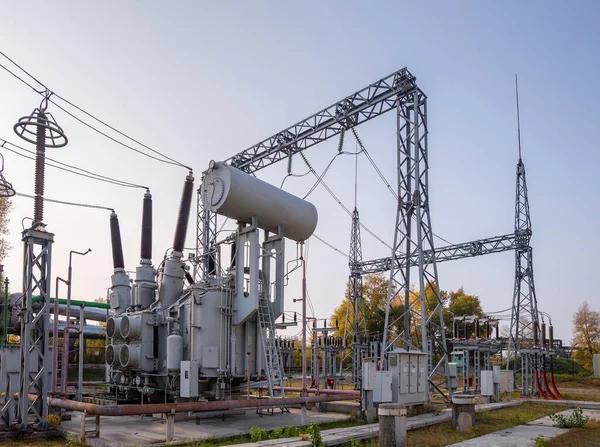

Transformer blast walls are critical components in the infrastructure of power plants, designed to enhance safety and mitigate risks associated with electrical faults. These structures serve as barriers that protect both personnel and equipment from potential explosions or fires resulting from transformer failures. Understanding their function and importance is essential for anyone involved in the design, construction, or operation of power plants.
Transformers are integral parts of a power plant’s electrical system, responsible for stepping up or stepping down voltage levels to facilitate efficient electricity transmission. However, they can sometimes experience catastrophic failures due to various reasons such as insulation breakdowns, short circuits, or mechanical stresses. When these failures occur, they can lead to explosions or fires that pose significant risks not only to the immediate surroundings but also to the overall safety of the power plant.
Blast walls are strategically constructed around transformers to contain any explosive force and prevent it from spreading across other areas of the facility. Made from robust materials like reinforced concrete or steel, these walls are engineered to withstand high pressures and temperatures generated during an explosion. Their primary role is to absorb and deflect shockwaves away from nearby equipment and human operators, minimizing damage and reducing find out everything downtime.
Beyond protecting against physical damage, transformer blast walls play a crucial role in maintaining operational continuity within a power plant. By containing incidents within a defined area, they allow other sections of the plant to continue functioning without disruption. This containment capability is vital for preventing cascading failures that could lead to widespread outages.
In addition to their protective functions during emergencies, blast walls also contribute significantly towards regulatory compliance in many regions where stringent safety standards govern industrial operations. Power plants must adhere to local building codes and international guidelines which often mandate specific designs for blast protection systems including wall thicknesses and material strength criteria.
The design process for transformer blast walls involves careful assessment of potential hazards through risk analysis methodologies such as fault tree analysis (FTA) or hazard operability studies (HAZOP). Engineers consider factors like proximity between transformers; potential sources of ignition; thermal loads; environmental conditions; accessibility requirements; maintenance needs among others when determining optimal configurations tailored specifically towards each unique site layout.
In conclusion understanding transformer blast walls’ roles extends beyond mere structural considerations into realms encompassing broader aspects related directly back onto operational efficiency reliability compliance with legal frameworks ensuring safe environments workers public alike thereby reinforcing integral nature underpinning modern-day energy generation distribution networks worldwide ultimately contributing sustainable development goals globally meeting ever-growing demands clean reliable electricity supply future generations depend upon daily basis now more than ever before given increasing reliance technology digitalization interconnectedness society today tomorrow foreseeable future ahead us all collectively together working hand-in-hand achieve common objectives shared vision prosperity progress humanity at large!