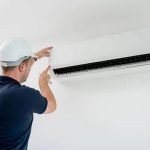
Installing an air conditioner requires careful planning and attention to detail to ensure optimal performance, energy efficiency, and longevity. The ultimate checklist for AC installation begins with selecting the right unit that matches the size and cooling needs of your space. Proper sizing is crucial because an undersized system will struggle to cool effectively, while an oversized one can lead to frequent cycling and increased wear. Consulting a professional technician or using load calculation tools can help determine the appropriate capacity based on room dimensions, insulation quality, window placement, and local climate.
Next, consider the location for both indoor and outdoor units. The indoor unit should be placed in a central area where airflow is unobstructed and away from heat sources such as direct sunlight or kitchen appliances. For split systems, the outdoor condenser must be installed on a stable surface with adequate clearance around it to allow proper ventilation. Avoid placing it near tall plants or walls that could restrict airflow or cause debris buildup.
Before installation begins, verify that your electrical system can support the new AC unit’s power requirements. This may involve upgrading circuit breakers or wiring if necessary. Ensure there is a dedicated power supply for safety reasons and compliance with local codes. Additionally, check whether any permits are required by municipal authorities before proceeding.
During installation, mounting brackets should be securely fastened to prevent vibrations that could damage components over time. Proper sealing around wall penetrations is essential to avoid Air Docs Heating & Cooling + hvac contractors leaks which reduce efficiency and increase utility bills. Refrigerant lines need careful handling; they must be insulated correctly to prevent condensation issues inside walls or ceilings.
After physically installing the equipment, technicians must perform thorough testing of all functions including thermostat calibration, refrigerant charge levels, drainage systems for condensate removal, and overall operational soundness. A well-calibrated thermostat ensures accurate temperature control without unnecessary cycling.
Finally, provide homeowners with clear instructions on operating their new air conditioning system efficiently while maintaining regular service schedules such as filter changes and professional inspections annually or biannually depending on usage intensity.
Following this comprehensive checklist guarantees not only a successful AC installation but also enhances comfort through reliable cooling performance while minimizing future maintenance problems or unexpected breakdowns during hot weather seasons when dependable cooling is essential for health and productivity alike.