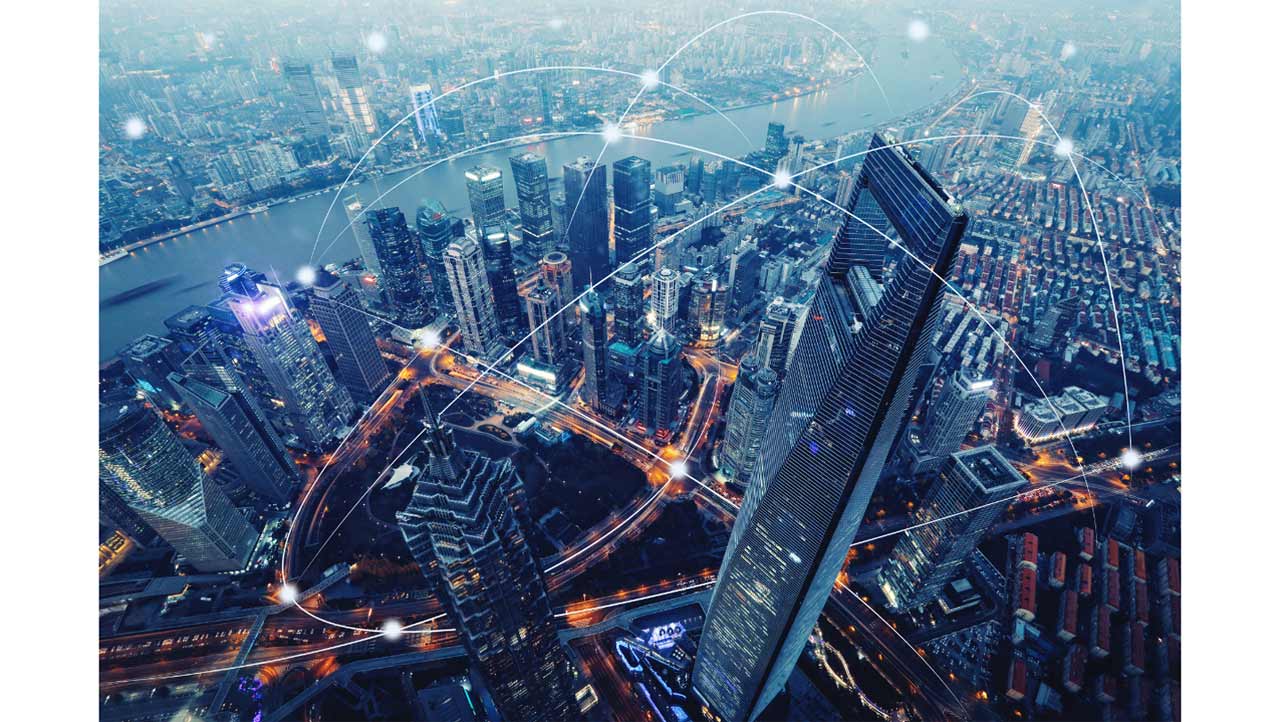

Global cities, often referred to as world cities or alpha cities, are urban centers that wield significant influence on international markets and the global economy. These metropolises are characterized by their strategic geographic locations, advanced infrastructure, robust financial systems, and diverse cultural landscapes. They serve as hubs for economic activities such as finance, trade, commerce, culture, and innovation. The economic impact of global cities on international markets is profound and multifaceted.
Firstly, global cities act as command centers for the global economy. They host headquarters of multinational corporations (MNCs) that drive international business operations. These companies rely on the sophisticated infrastructure and skilled workforce available in these urban areas to manage their worldwide networks efficiently. For instance, New York City is home to numerous Fortune 500 companies whose decisions have far-reaching implications across different continents. Similarly, London serves as a pivotal node in the network of global finance due to its historical ties with various economies around the world.
Moreover, Global Cities facilitate trade through their ports and airports which are among the busiest in the world. Cities like Singapore and Hong Kong have leveraged their strategic locations to become major transshipment hubs where goods from different regions converge before being redistributed globally. This logistical prowess not only boosts local economies but also ensures seamless integration into international supply chains.
In addition to physical trade routes facilitated by ports and airports within these bustling metropolises lies another crucial aspect: digital connectivity which has emerged over recent decades thanks largely due technological advancements leading towards globalization trends further strengthening relationships between nations via cyber channels thus enabling instant communication exchange vital information needed decision making processes affecting businesses everywhere regardless size scope industry involved consequently impacting overall market dynamics significantly too!
Furthermore when considering role played financial institutions based out prominent locales one cannot overlook importance stock exchanges housed therein take example Tokyo Stock Exchange (TSE) considered third largest globally terms market capitalization following closely behind New York Stock Exchange (NYSE) NASDAQ respectively indicating how integral part investment ecosystem they represent investors worldwide seeking opportunities diversify portfolios mitigate risks associated investing solely domestic assets alone! Such presence enhances liquidity capital flows ensuring efficient allocation resources promoting sustainable growth long run ultimately benefiting entire planet’s populace alike given interconnected nature today’s economies whereby shocks experienced particular region reverberate others almost instantly nowadays compared past eras slower transmission rates prevailed primarily attributed limited communication technologies existed then unlike now where internet allows instantaneous updates occur real-time basis allowing stakeholders react accordingly minimizing adverse effects crises arise unexpectedly without warning whatsoever!