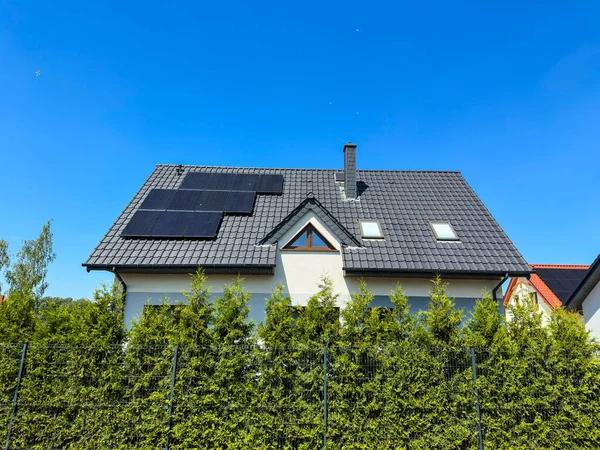

When planning a solar installation, understanding the requirements that impact system performance is crucial to achieving optimal energy output and long-term reliability. Several factors influence how effectively a solar power system operates, ranging from site conditions and equipment quality to installation practices and maintenance. One of the primary considerations is the location’s solar irradiance, which determines the amount of sunlight available for conversion into electricity. Areas with higher sun exposure typically yield better performance, but even in regions with moderate sunlight, proper design can maximize energy capture.
The orientation and tilt angle of solar panels significantly affect their efficiency. Panels should generally face true south in the northern hemisphere or true north in the southern hemisphere to receive maximum direct sunlight throughout learn the facts tilt angle should be adjusted based on latitude and seasonal variations to optimize absorption across different times of year. Incorrect positioning reduces the panels’ ability to convert sunlight efficiently, leading to lower overall system output.
Shading is another critical factor that can severely diminish performance. Even partial shading caused by nearby trees, buildings, or other obstructions can disrupt electrical flow within photovoltaic modules due to their series circuit configuration. This results in disproportionate power losses beyond what might be expected from simply shaded areas alone. Therefore, thorough shade analysis during site assessment is essential before installation.
The quality and compatibility of components also play a vital role in system effectiveness. Solar panels must meet recognized standards for durability and efficiency while being compatible with chosen inverters and mounting structures. Inverters are responsible for converting direct current generated by panels into usable alternating current; selecting efficient models matched correctly with panel capacity ensures minimal energy loss during conversion.
Proper wiring practices ensure safe operation and reduce resistive losses that occur when electricity travels through conductors over distances between modules, combiner boxes, inverter inputs, and distribution points. Using appropriately sized cables minimizes voltage drops that could otherwise decrease power delivery.
Installation workmanship influences both immediate functionality and long-term resilience against environmental factors such as wind load or corrosion from moisture exposure. Secure mounting prevents physical damage or misalignment over time while maintaining electrical connections free from degradation enhances reliability.
Finally, regular maintenance including cleaning panels from dust or debris accumulation maintains peak light absorption capability since dirt buildup can block sunlight penetration reducing generation efficiency substantially if neglected over extended periods.
By addressing these various requirements carefully during planning and execution phases-site evaluation considering irradiance levels plus shading patterns; correct panel orientation paired with suitable tilt angles; selection of high-quality components; adherence to wiring standards; meticulous installation procedures; ongoing upkeep-a solar power system will achieve superior performance delivering consistent renewable energy production aligned with user expectations over its operational lifespan.