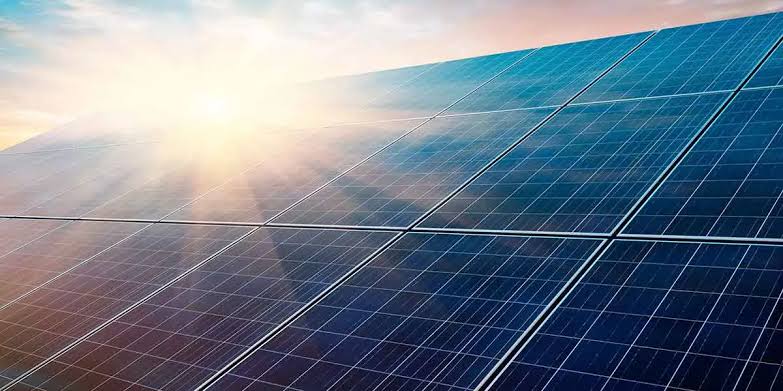

Maximizing the performance of your photovoltaic (PV) installation, commonly known as solar panels, is crucial for ensuring that you get the most out of your investment. This involves not only optimizing energy production but also extending the lifespan of your system. By considering various factors such as location, maintenance, and technology choices, you can significantly enhance the efficiency and durability of your solar power installation.
Firstly, selecting an optimal location for installing solar panels is paramount. The site should receive maximum sunlight exposure throughout the day to harness ample solar energy. Ideally, panels should face true south in the northern hemisphere or true north in the southern hemisphere to maximize sun exposure. However, if this orientation isn’t feasible due to roof design or other constraints, adjustments can be made by tilting panels at an angle equal to your latitude or using tracking systems that follow the sun’s path across the sky.
Shading is another critical factor affecting PV performance. Even partial shading from trees, buildings, or other obstructions can lead to significant losses in energy output because it affects not just one panel but potentially an entire string of connected modules due to their series configuration. Regularly trimming nearby vegetation and avoiding installations panouri fotovoltaice near potential shade sources are essential steps in mitigating these losses.
The choice of technology plays a significant role in maximizing PV performance as well. High-efficiency panels might have a higher upfront cost but offer better returns over time through increased energy production. Innovations such as bifacial panels capture sunlight on both sides and can boost efficiency when installed with reflective surfaces beneath them like white roofs or gravel beds.
Inverter selection also impacts overall system performance since they convert direct current (DC) produced by solar cells into alternating current (AC), which is used by household appliances and fed into the grid. Modern string inverters come with multiple maximum power point trackers (MPPTs), allowing different strings within an array to operate independently at peak efficiency even under varied conditions like shading or soiling on specific sections.