
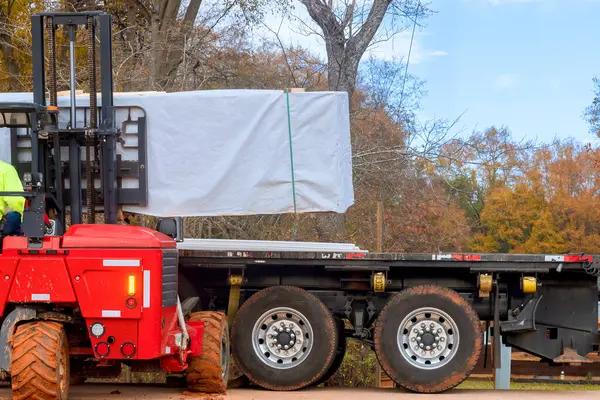
In the realm of construction, efficiency is a crucial determinant of project success. Among the myriad factors influencing this efficiency, the timing of material delivery stands out as particularly significant. Properly timed deliveries can significantly enhance productivity, reduce costs, and ensure that projects are completed on schedule.
One of the most immediate impacts of timely material delivery is the reduction in downtime for workers. When materials arrive precisely when needed, laborers can proceed with their tasks without interruptions. This seamless workflow prevents idle time where workers might otherwise be waiting for essential supplies to arrive. Consequently, it maximizes labor productivity and maintains momentum throughout various phases of construction.
Moreover, efficient delivery timing helps in minimizing storage issues at construction sites. Many sites have limited space available for storing materials; thus, having them delivered just-in-time reduces clutter and potential safety hazards associated with overcrowded storage areas. Additionally, this approach minimizes the risk of damage or theft that might occur if materials are stored on-site for extended periods.
Financial implications also play a critical role when considering delivery timing. Delays in receiving materials often lead to project overruns and increased costs due to extended rental periods for equipment or additional labor hours required to compensate for read more lost time. Conversely, well-coordinated deliveries help maintain budgetary constraints by ensuring resources are available exactly when needed without incurring unnecessary expenses.
From a logistical standpoint, precise delivery scheduling requires effective communication among suppliers, contractors, and project managers. Establishing clear timelines and maintaining open lines of communication ensures all parties are aligned regarding expectations and requirements. This coordination allows teams to anticipate potential bottlenecks or delays in advance and devise strategies to mitigate these challenges before they impact overall project timelines.
Furthermore, advances in technology offer innovative solutions to optimize material delivery schedules further improving construction efficiency. For instance, using software platforms that integrate supply chain management with real-time tracking capabilities allows stakeholders to monitor shipments closely and adjust plans dynamically based on actual conditions rather than forecasts alone.