
Starting a food truck business can be an exciting venture, offering culinary entrepreneurs the flexibility and creativity to bring their unique flavors to diverse locations. As we look ahead to 2026, the food truck industry continues its upward trajectory with evolving trends and consumer preferences. Building a profitable food truck business in this dynamic landscape requires strategic planning, innovative marketing, and operational efficiency.
The first step in establishing a successful food truck business is conducting thorough market research. Understanding your target audience’s tastes and preferences is crucial for menu development. In Food truck business 2026, consumers are increasingly seeking healthier options with sustainable ingredients. Offering plant-based dishes or locally sourced produce can attract eco-conscious customers while setting your brand apart from competitors.
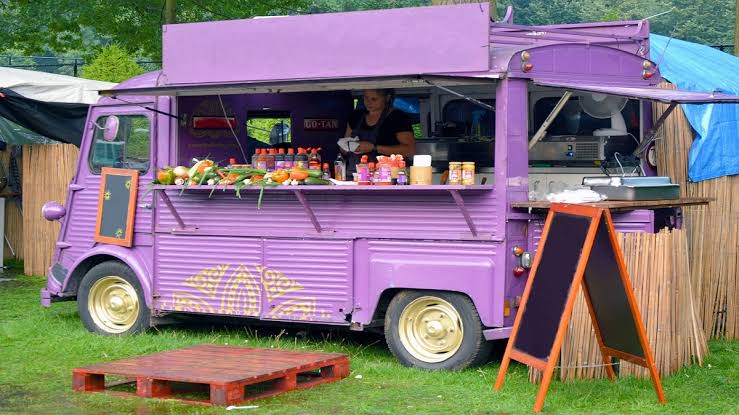
Once you’ve identified your niche, crafting a compelling brand identity becomes essential. Your food truck’s design should reflect the theme of your cuisine while being visually appealing to draw potential customers. A memorable logo and catchy name can enhance brand recognition, making it easier for people to remember you when they crave what you offer.
Location plays a pivotal role in the success of any food truck operation. While bustling urban areas may seem ideal due to high foot traffic, competition can be fierce. Exploring opportunities at local events such as festivals or farmers’ markets might present less saturated environments where you can stand out more prominently.
In addition to physical presence, building an online presence is indispensable in 2026’s digital age. Social media platforms like Instagram and TikTok provide excellent avenues for showcasing mouthwatering visuals of your offerings while engaging directly with customers through comments and messages. Regularly updating followers about new menu items or special promotions keeps them interested in returning visits.
Operational efficiency significantly impacts profitability; therefore investing time into streamlining processes pays off long-term dividends—adopting technology solutions such as mobile point-of-sale systems speeds up transactions during peak hours reducing wait times which enhances customer satisfaction levels ultimately leading towards repeat patronage rates increasing over time! Implementing inventory management software assists tracking ingredient usage minimizing waste saving costs associated restocking frequently used supplies ensuring smooth day-to-day operations without unnecessary hiccups arising unexpectedly!