
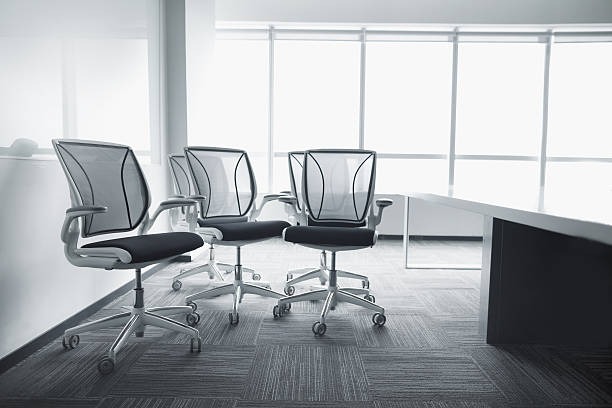
In today’s fast-paced work environment, many individuals find themselves spending extended hours seated at their desks. This prolonged sitting can lead to discomfort and even chronic pain in the back and neck, issues that are increasingly common among office workers. The importance of a comfortable ergonomic office chair cannot be overstated when it comes to alleviating these problems and promoting overall well-being.
Ergonomic chairs are designed with the user’s health in mind, focusing on providing support where it’s needed most. One of the primary features of an ergonomic chair is its ability to adjust to fit the individual’s body. This includes adjustable seat height, lumbar support, armrests, and backrest tilt tension. These adjustments ensure that users can maintain a healthy posture while working, reducing strain on the spine and minimizing pressure points.
A critical component of an ergonomic chair is lumbar support. Proper lumbar support helps maintain get the complete picture lower spine, which is essential for preventing slouching—a common cause of back pain. By supporting this curve, ergonomic chairs help distribute weight evenly across the spine and reduce stress on vertebrae and intervertebral discs.
Neck pain often arises from poor posture or inadequate head and neck support during long periods of sitting. Ergonomic chairs address this issue by offering headrests or high-back designs that provide necessary support for the upper body. A well-designed headrest can alleviate tension in the shoulders and neck by encouraging proper alignment with minimal effort from muscles.
Material choice also plays a significant role in comfort levels provided by an office chair.