
Scheduling an HVAC service appointment and inspection is essential for maintaining the efficiency and longevity of your heating, ventilation, and air conditioning system. Whether you rely on your HVAC system to keep your home comfortable during harsh winters or scorching summers, regular professional maintenance helps prevent unexpected breakdowns and costly repairs. This complete guide will walk you through what to expect during your HVAC service visit and how to prepare for it.
Before the appointment, it’s helpful to gather any relevant information about your HVAC system, such as the make, model, age, and any previous issues or repairs. This information allows the technician to tailor their inspection and service to your system’s specific needs. Additionally, ensure that your service area is accessible, with clear pathways to your furnace, air conditioner, or heat pump units. This preparation helps the technician work efficiently and thoroughly.
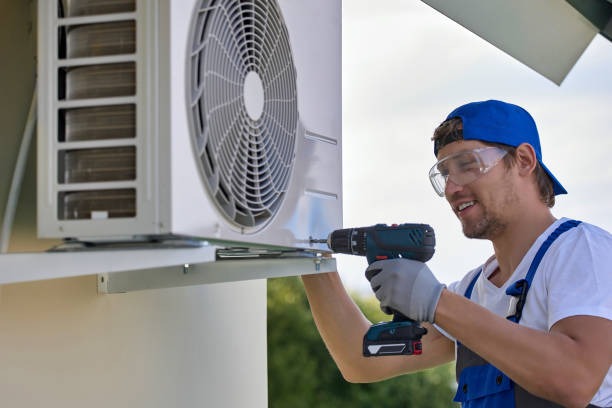
When the HVAC technician arrives, they typically begin with a visual inspection of your system’s components, including the thermostat, air filters, ductwork, vents, and outdoor units. They check for signs website of wear, damage, or debris that might be hindering performance. Replacing dirty or clogged air filters is a routine part of the service, as clean filters improve air quality and system efficiency.
Next, the technician examines the electrical connections and wiring to ensure safe and proper operation. They test the system’s controls and safety features, verifying that the thermostat is calibrated correctly and that the system starts, operates, and shuts off as intended. For heating systems, the technician inspects the burners and heat exchangers, looking for cracks or corrosion that could pose safety risks. For cooling systems, refrigerant levels are checked and adjusted if necessary to maintain optimal cooling performance.
The technician may also clean critical components such as coils, blower fans, and drain lines to improve airflow and prevent moisture buildup. Proper lubrication of moving parts is performed to reduce friction and wear. Some service appointments include testing for carbon monoxide leaks, especially important for gas-powered heating systems, to ensure your home’s safety.
At the end of the inspection, the technician will provide a detailed report of their findings, including any recommended repairs or upgrades. This is a good time to ask questions about your HVAC system’s performance and energy efficiency. Scheduling regular service appointments—typically once or twice a year depending on your system and climate—helps avoid emergency repairs and keeps your system running smoothly.
By understanding the steps involved in your HVAC service appointment and inspection, you can feel confident in maintaining a comfortable and safe living environment. Prioritize regular professional maintenance to extend your system’s lifespan and enjoy consistent heating and cooling all year round.