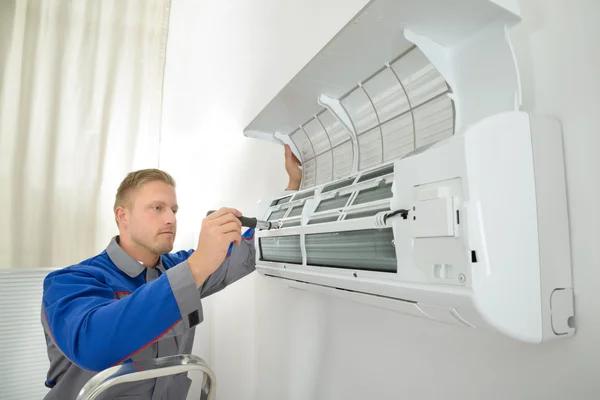

Blocked air vents can significantly impact the performance and efficiency of your HVAC (Heating, Ventilation, and Air Conditioning) system. Understanding how these obstructions affect your system is crucial for maintaining a comfortable indoor environment and ensuring the longevity of your equipment.
When air vents are blocked by furniture, drapes, or other objects, they restrict the airflow that is essential for the efficient operation of your HVAC system. This obstruction forces the system to work harder to distribute conditioned air throughout your home. As a result, it consumes more energy, leading to higher utility bills. The increased strain on the system can also lead to premature wear and tear find more on the website components such as fans and motors.
In addition to inefficiency and increased costs, blocked vents can create uneven temperature distribution within your home. Some rooms may become too hot or too cold because they are not receiving adequate airflow. This inconsistency in temperature makes it difficult for occupants to achieve their desired comfort level and often results in frequent adjustments to thermostat settings.
Moreover, restricted airflow due to blocked vents can cause pressure imbalances within the ductwork. These imbalances may lead to air leaks at joints or seams in the ducts over time. Leaky ducts further diminish efficiency by allowing conditioned air to escape into unconditioned spaces like attics or crawl spaces instead of reaching intended areas within your home.
Another consequence of blocked air vents is poor indoor air quality. Proper ventilation plays an integral role in circulating fresh air while removing pollutants from indoor environments. When vents are obstructed, dust particles accumulate more easily since there’s less movement through filters designed specifically for trapping airborne contaminants before recirculating them back inside living spaces again—aggravating allergies among sensitive individuals who suffer from respiratory conditions such as asthma.
Regular maintenance practices help prevent issues associated with blocked airflow: ensure all registers remain unobstructed during routine cleaning tasks around households; rearrange furnishings strategically so nothing obstructs their path; check periodically if anything inadvertently blocks access points where necessary adjustments might be needed promptly without delay!
In conclusion: keeping those vital pathways clear ensures optimal performance levels remain consistent year-round while minimizing potential risks associated with inefficient operations caused by unnecessary blockages hindering overall functionality expectedly delivered reliably whenever required most! By taking proactive measures now rather than later down-the-line when problems arise unexpectedly – homeowners stand better chances protecting investments made towards achieving ideal climate-controlled environments tailored perfectly suited individual preferences always guaranteed satisfaction long-term benefits enjoyed fully realized everyone involved equally alike!