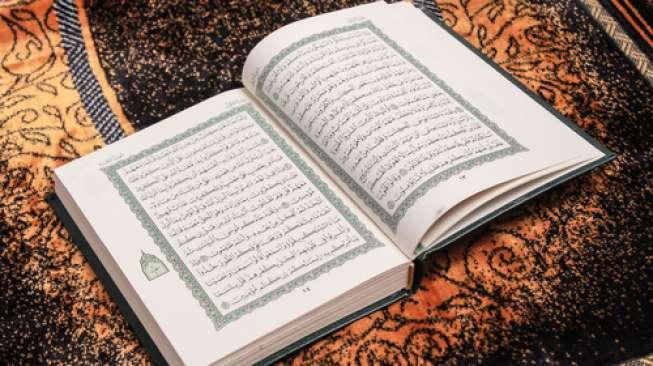

Islamic history is a rich tapestry woven with threads of culture, religion, politics, and art. It spans over 1400 years and encompasses vast regions from the Arabian Peninsula to the far reaches of Asia and Africa. Exploring this history offers invaluable insights into not only the past but also contemporary issues within the Muslim world. One of the most effective ways to delve into Islamic history is through Islamic article resources.
These resources are crucial for both scholars and enthusiasts aiming to understand the multifaceted nature of Islamic civilization. They provide detailed accounts, analyses, and interpretations that are essential for grasping complex historical narratives. The authenticity and depth found in these articles help bridge gaps between historical events and modern-day implications.
Islamic article resources cover an extensive range of topics including theology, philosophy, science, art, architecture, and law among others. They shed light on how Islam influenced various aspects of life throughout different periods in history. For instance, during the Golden Age of Islam Islamic Article (8th to 14th century), there was a significant contribution to science and philosophy which is well-documented in numerous scholarly articles. These writings highlight contributions by prominent figures such as Al-Khwarizmi in mathematics or Avicenna in medicine whose works laid foundational stones for future advancements.
Moreover, these articles often explore socio-political dynamics within Islamic empires such as the Umayyad or Abbasid caliphates. Understanding these dynamics provides insight into governance models that were prevalent at different times alongside their impact on cultural developments across regions under Islamic rule.
The role played by women throughout Islamic history is another critical area explored extensively through scholarly articles. Contrary to some stereotypes suggesting passive roles for women historically within Islam; many articles reveal active participation by women in areas like education where they served as scholars or even rulers who wielded considerable influence over political affairs.