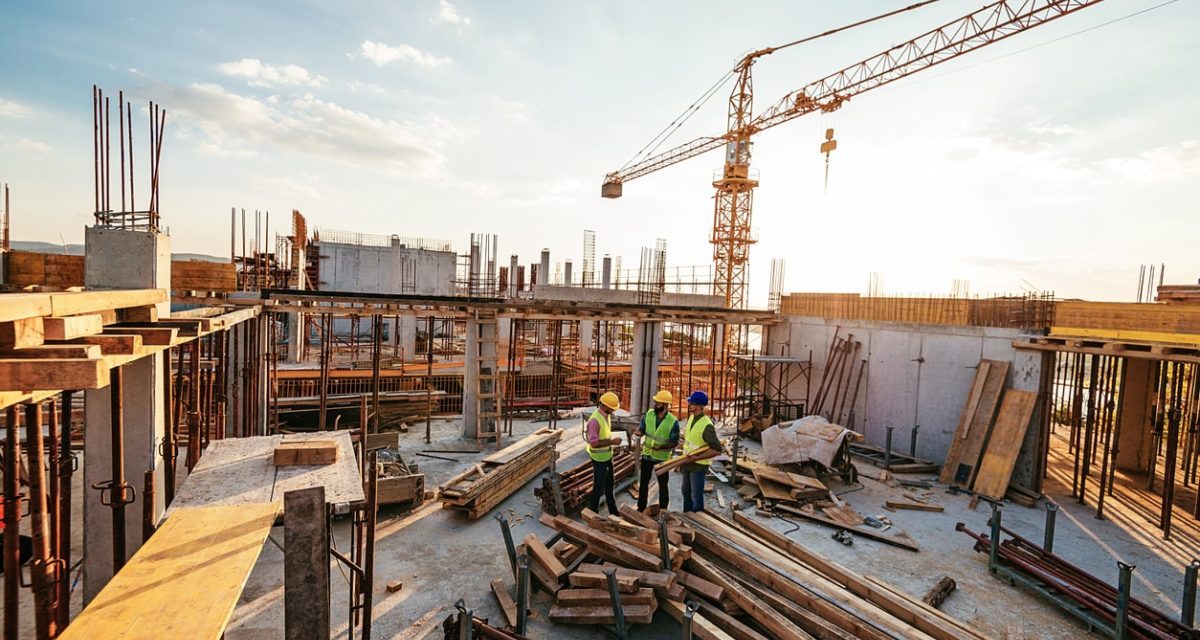

In recent years, the construction industry has witnessed a transformative shift driven by digital tools that are reshaping how modern projects are conceived, designed, and executed. This evolution is not only enhancing efficiency but also redefining traditional practices in an industry historically resistant to change. As technology continues to advance, these digital tools are becoming indispensable assets in the toolkit of construction professionals.
One of the most significant innovations in this domain is Building Information Modeling (BIM). BIM allows for the creation of detailed 3D models that provide comprehensive insights into every aspect of a construction project. By integrating data from various sources, BIM facilitates collaboration among architects, engineers, contractors, and clients. This collaborative approach ensures that potential issues are identified early in the design phase, reducing costly rework during construction. Moreover, BIM’s ability to simulate real-world scenarios helps stakeholders make informed decisions regarding materials and methods.
Another pivotal digital tool making waves is drone technology. Drones offer unparalleled aerial views of construction sites, enabling precise surveying and monitoring throughout the project’s lifecycle. They can quickly capture high-resolution images and videos for site analysis and progress tracking. This capability not only enhances safety by minimizing human intervention in hazardous areas but also accelerates data collection processes that traditionally took weeks or months.
The advent of artificial intelligence (AI) and machine learning has further propelled innovation within the sector. AI algorithms analyze vast amounts of data generated on-site to optimize scheduling and Tech in construction resource allocation while predicting potential delays or budget overruns before they occur. These predictive analytics empower project managers with actionable insights that drive efficiency across all stages of development.
Moreover, augmented reality (AR) is bridging gaps between virtual designs and physical execution by overlaying digital information onto real-world environments through smart devices such as tablets or AR glasses worn by workers on-site; this technology enables immediate visualization without extensive training requirements—streamlining communication channels between teams involved at different levels across multiple locations worldwide simultaneously!
Furthermore – cloud-based platforms have emerged as essential components facilitating seamless information sharing among diverse groups working collaboratively toward common goals; these systems allow instant access anytime anywhere regardless time zones thanks internet connectivity advancements today! Cloud computing provides scalable solutions adaptable varying needs depending size complexity individual projects undertaken globally each day—ensuring everyone stays connected informed about changes updates happening moment-by-moment basis leading successful outcomes ultimately benefiting entire ecosystem participants alike whether they be small local firms large multinational corporations engaged building tomorrow’s infrastructure now present challenges faced daily operationally speaking too!