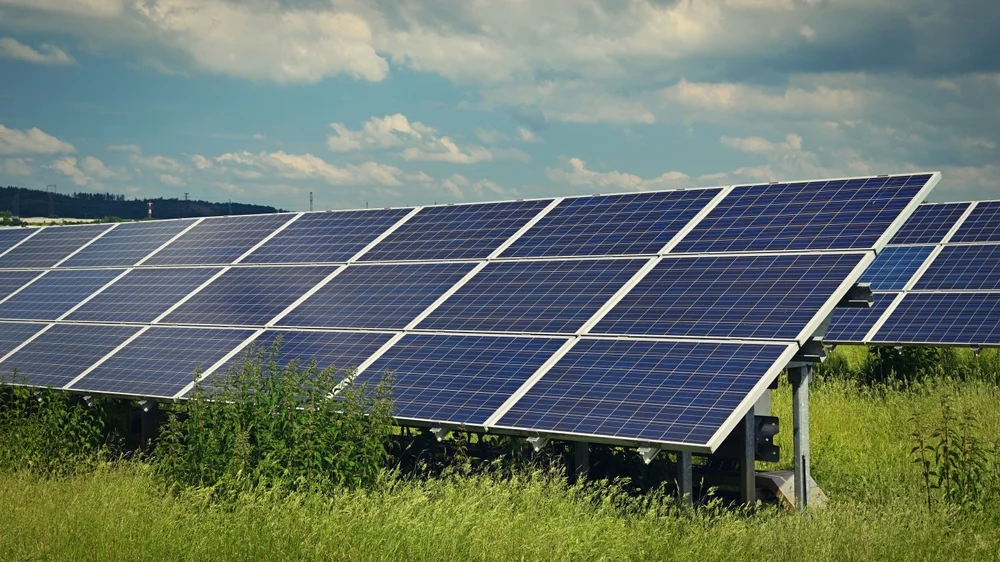

As the world increasingly shifts towards sustainable energy solutions, solar power has emerged as a leading contender in the quest for renewable energy sources. Among the various technologies available, panouri fotovoltaice, or photovoltaic panels, have gained significant traction due to their efficiency and versatility. Complete home solar solutions utilizing these panels offer homeowners an opportunity to achieve maximum performance while reducing their carbon footprint and energy costs.
Photovoltaic panels work by converting sunlight into electricity through the photovoltaic effect. These panels are composed of numerous solar cells made from semiconductor materials such as silicon. When sunlight strikes these cells, it excites electrons, generating an electric current that can be harnessed to power homes. The effectiveness of this process depends on several factors including panel quality, installation technique, and local environmental conditions.
One of the primary advantages of adopting complete home solar solutions is energy independence. By generating electricity on-site, homeowners can significantly reduce their reliance on grid-supplied power. This not only leads to substantial savings on utility bills but also provides a buffer against fluctuating energy prices and potential outages caused by grid failures or natural disasters.
To maximize the performance of panouri fotovoltaice systems, careful consideration must be given to system design and component selection. It begins with assessing the household’s average energy consumption patterns and determining the appropriate size for the solar array. Proper sizing ensures that enough electricity is generated to meet daily needs while avoiding overproduction which could lead to unnecessary expenses.
The orientation and tilt angle of photovoltaic panels are crucial in capturing maximum sunlight throughout the year. Ideally, panels should face true south in northern hemisphere locations or true north in southern hemisphere areas with an optimal tilt angle based on geographical latitude. Shading from nearby trees or buildings should be minimized as even partial shading can dramatically decrease system output.
In addition to well-designed hardware components like high-efficiency panels and reliable inverters that convert direct current (DC) produced by solar cells into alternating current (AC) used by most household appliances—energy storage solutions play a vital role in enhancing system performance further still; batteries store excess electricity generated during peak sun hours so it may serve demand later when production wanes after dark thus ensuring continuous supply regardless external conditions prevailing outside at any given time day night alike!
Complete home solar installations often integrate smart technology features allowing real-time monitoring via mobile apps enabling users track how much power being produced/consumed adjust settings accordingly optimize usage patterns seamlessly blending convenience sustainability together under one roof! As governments worldwide continue incentivizing clean energies through tax credits rebates other financial mechanisms now more than ever opportune moment invest future-proofing properties aligning personal values ecological responsibility economic pragmatism simultaneously achieving harmony planet wallets alike!